Reading the Current
Sean Justin
CO-FOUNDER
—8 min read
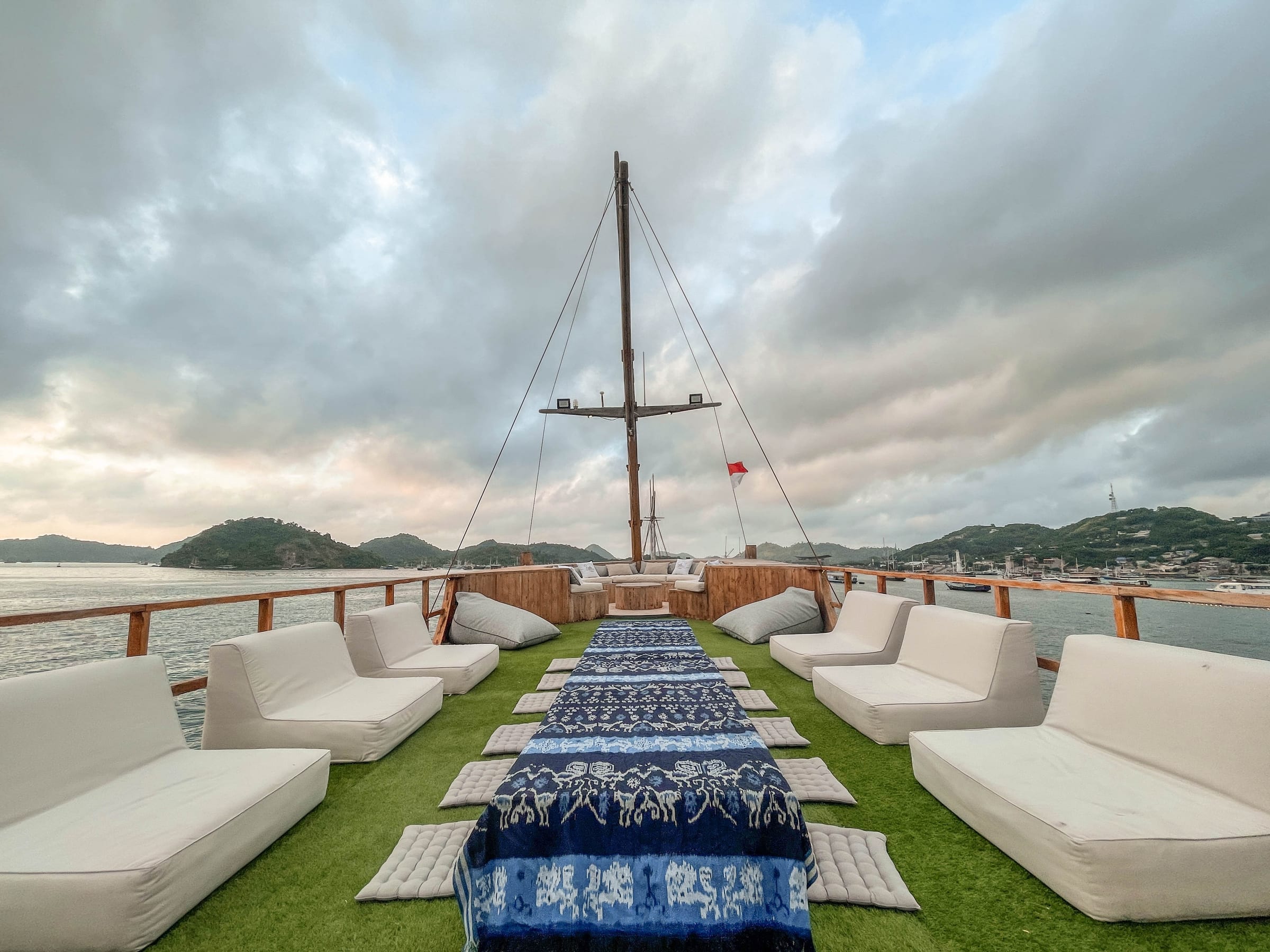
There is a line of water off Batu Bolong that appears about forty minutes before slack. It is not dramatic. If you were not looking for it you would call it a shadow, or a patch where the wind sits differently on the surface. Sean has been watching it since he was fourteen, from his uncle’s outrigger, and he will tell you it is more reliable than any tide table printed in Jakarta.
What the table cannot know
Tide tables are computed for ports. They assume a coastline, a basin, a set of averages. What they cannot know is that a ridge sitting at right angles to the flow will hold a back-eddy for another twenty minutes after the main body of water has given up, or that three days of northerly wind stacks water into the strait and delays everything by half an hour.
The sea does not run late. Our arithmetic does.
So the briefing on Sea Familia happens twice: once the night before, with the chart and the numbers, and once at the rail, ten minutes before we get in, with nothing but the surface to go on. The second briefing is the one that changes plans. Guests are sometimes surprised that a boat with Starlink still makes its most important daily decision by eye.
Learning to see it
It is teachable, mostly. Look for the seam — the place where two textures of water meet and neither wins. Watch a floating leaf for thirty seconds rather than one. Notice which way the mooring lines of the fishing boats are lying, because they have been integrating the current all morning and you have not.
What is harder to teach is the patience to wait when the water says wait. There is always a guest who has flown a long way and wants to be in it now. The answer is the same as it was on the outrigger: the reef is not going anywhere, and the mantas will not come while the water is still moving. Sit down. Have the second coffee.
ShareEmail it